
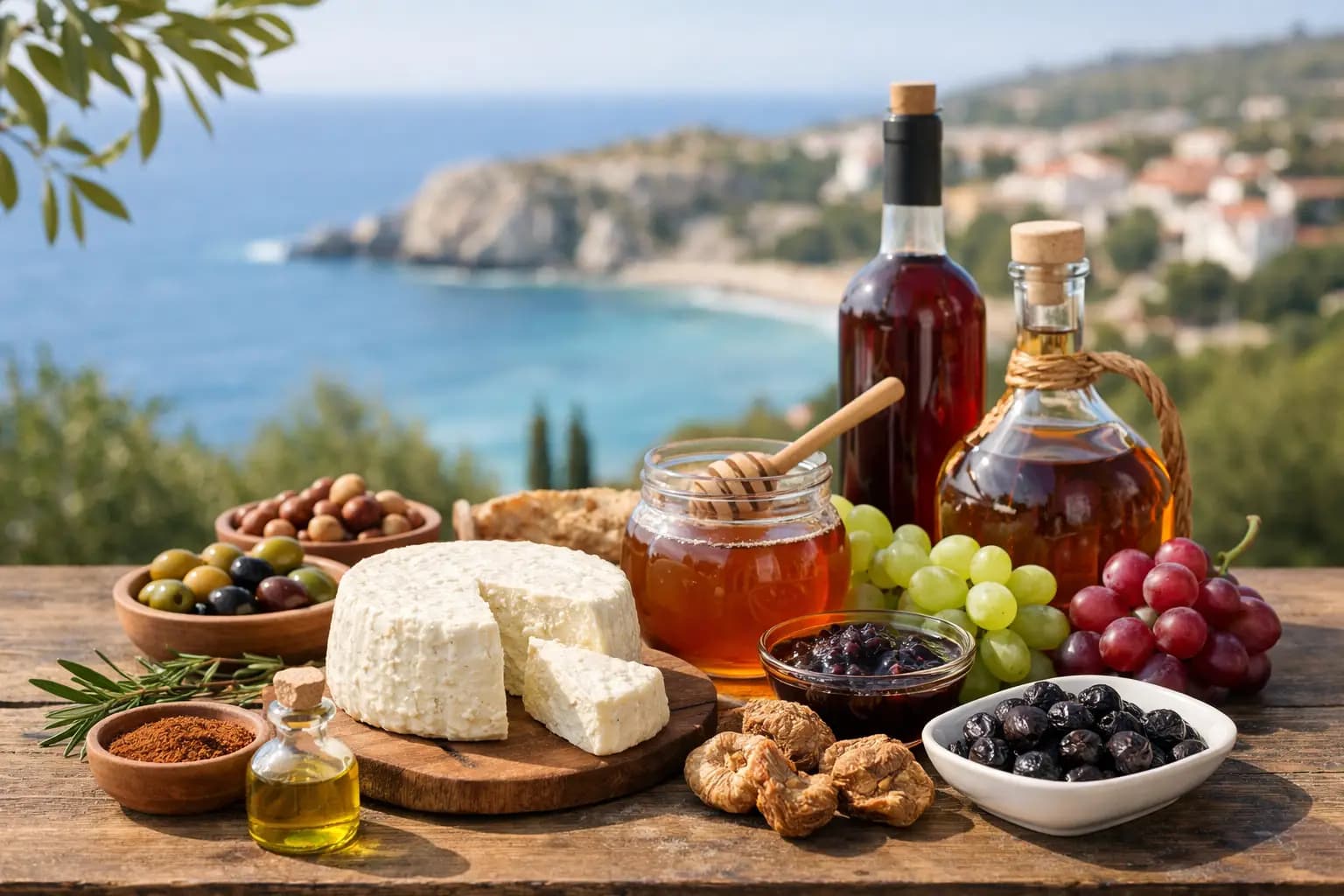
You usually notice Cyprus through the big things first - the sea, the sun, the pace of life. Then daily life settles in, and smaller questions start to matter more. Which olive oil is actually local? Where do people buy good halloumi? What counts as handmade, traditional, or just tourist-facing? If you are trying to shop smarter, local products in Cyprus are one of the easiest ways to understand the island beyond the postcard version.
For expats, short-term residents, and anyone still learning how Cyprus works, buying local is not only about taste or aesthetics. It is practical. Local products often travel less, reflect seasonal availability, and connect you to shops and producers you might otherwise miss. They can also vary a lot by area, price point, and quality, so knowing what to look for saves time and avoids the usual trial-and-error.
Why local products in Cyprus matter in everyday life
If you have recently moved to Cyprus, shopping can feel deceptively simple. Supermarkets are familiar enough, but they do not always tell you much about what is genuinely local, what is imported, and what is made for convenience rather than quality. Smaller shops, family-run stores, pop-up markets, and artisan producers often offer better local options, but they are not always easy to find if you do not speak Greek or already know the area.
That is where local knowledge becomes useful. Cyprus has strong food traditions, skilled small-scale makers, and region-specific specialties, but access is uneven. In larger urban areas like Larnaca, you may find a good mix of specialty stores and neighborhood businesses. In tourist-heavy zones, the challenge is different - plenty of choice, but not always the kind locals actually buy.
The trade-off is simple. Imported goods can be easier to recognize, while local goods often need a bit more curiosity. The payoff is usually better flavor, more character, and a stronger sense of place.
The local products in Cyprus most people start with
Food is the obvious entry point, and for good reason. Some of the best-known products in Cyprus are staples, not occasional treats. Halloumi is the most famous example, but even here quality differs. A vacuum-packed supermarket version might work fine for grilling at home, while a fresher option from a deli or specialty food shop will often have a different texture, salt balance, and overall taste. If you try one halloumi and feel underwhelmed, that does not mean you have found the best Cyprus can do.
Olive oil is another everyday product worth paying attention to. Cyprus produces excellent olive oil, and once you start comparing bottles, the differences become clear. Some are peppery and grassy, others softer and rounder. Smaller producers may not have flashy packaging, but the oil itself can be significantly better than mass-market imports. This is one of those purchases where asking a shop owner what they recommend can genuinely help.
Then there are pantry staples that quietly shape local cooking - olives, carob syrup, herbs, honey, tahini, rose products, and spoon sweets. These are not always the first things newcomers buy, but they tend to become regular purchases once you know how to use them. Local honey, for example, can vary depending on the flowers and region, and Cyprus herbs often have a stronger aroma than what many international shoppers expect.
Wine and spirits also deserve attention, especially if you want gifts that feel specific to the island without being generic. Cypriot wines have improved noticeably over the years, and local varieties are worth trying even if you are not usually adventurous. Zivania is more divisive - some people love it, some do not - but it is undeniably local.
Beyond food: handmade and practical local finds
Local shopping in Cyprus is not limited to edible goods. Handmade soaps, ceramics, woven textiles, candles, natural skincare, and home decor are all part of the picture, especially if you prefer useful items over souvenir-shop clutter.
Ceramics are a good example of where style and function can meet. You will find everything from decorative plates to mugs and serving bowls designed for daily use. The difference between a mass-produced “local-style” piece and something made by a local craftsperson is often obvious once you see both side by side. One feels interchangeable. The other has actual character.
Textiles can be more variable. Some embroidered goods and woven items are beautifully made, while others are produced mainly for tourist demand. It depends on where you buy them. If craftsmanship matters to you, it is worth asking basic questions - who made it, where it was made, and whether the pattern or material has local significance.
Natural skincare and soap are increasingly popular local categories too. Cyprus ingredients like olive oil, donkey milk, herbs, and rosewater often appear in these products. Some are excellent, some lean more into branding than quality. Packaging can look polished, but ingredients still matter. If you are buying for sensitive skin, local does not automatically mean gentle.
How to shop for local products without wasting time
The hardest part is not deciding what to buy. It is knowing where to look.
Large supermarkets in Cyprus can be useful for basics and occasional local brands, but they are rarely the best place to understand what is special or truly local. Specialty food stores, independent grocers, artisan shops, seasonal markets, and neighborhood businesses usually offer a better starting point. In cities like Larnaca, this often means stepping just slightly outside the most visible commercial strips.
A practical rule helps here: look for places where locals are buying ordinary things, not only gifts. If a shop carries olive oil, cheese, herbs, preserves, and sweets that people clearly buy for home use, that is usually a better sign than a display built entirely around novelty packaging.
Language can still be a barrier, especially for newer residents. Product labels may be bilingual, partially translated, or not translated at all. In those cases, a platform like Pundo can make the search easier by helping you find local shops and categories before you set out, instead of relying on random searches or word of mouth.
Price is another point where expectations matter. Local does not always mean cheaper. Handmade goods, small-batch honey, and artisan pantry products can cost more than imported alternatives. That does not make them overpriced. It usually reflects scale, materials, and labor. On the other hand, if something is presented as premium local craftsmanship but looks generic, it is fair to be skeptical.
What to buy for yourself and what to buy as a gift
If you are shopping for your own home, the best local products are usually the ones you will actually use every week. Good olive oil, halloumi, herbs, honey, olives, handmade mugs, or natural soap tend to earn their place quickly. They help daily life feel more rooted, which matters when you are building routines in a new country.
For gifts, it depends on your audience. Food products are often the safest choice because they travel well and feel distinctly Cypriot without needing much explanation. Honey, sweets, herbal blends, carob products, and wine usually work well. Handmade ceramics and small home goods can also be excellent if you want something less predictable.
The only real caution is overbuying the obvious. Not every friend back home needs novelty magnets, miniature donkeys, or decorative lace they will never use. Cyprus has better things to offer than that.
A more local way to shop in Cyprus
Shopping locally in Cyprus gets easier once you stop treating it like a one-time cultural exercise and start treating it like part of everyday life. Try one new pantry item. Buy your olive oil from a small shop instead of a supermarket. Ask which honey is local. Compare two versions of halloumi instead of assuming they are all the same.
That is usually how people build real local knowledge here - not through one big shopping trip, but through repeated small decisions. And the more you make those decisions with intention, the more Cyprus starts to feel less like a place you are passing through and more like a place you actually know.
If you are not sure where to begin, start with something simple and useful. The best local finds are rarely the loudest ones on the shelf.