
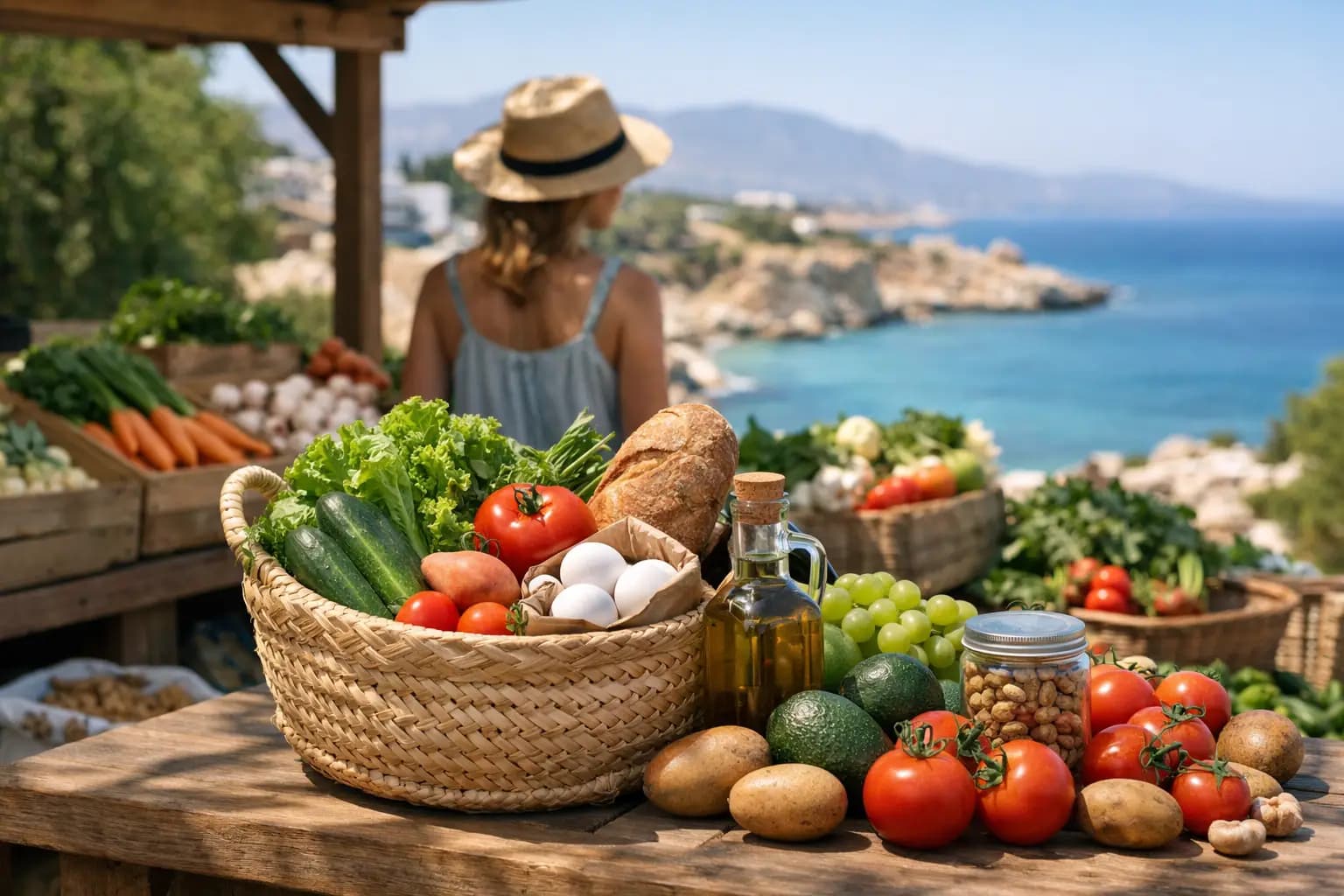
A carton of organic eggs, produce you can trust, and pantry staples without a long drive can make a new routine in Cyprus feel much more settled. If you are wondering where to find organic groceries, the answer depends on what you buy most, where you live, and how carefully you want products to be certified.
Cyprus has more organic options than many newcomers expect, but they are not always gathered under one supermarket roof. A neighborhood health-food shop may have excellent grains and supplements but limited fresh produce. A farmers market may offer beautiful seasonal vegetables, yet not every stall is certified organic. The most practical approach is to combine a few reliable sources and shop with the season.
Where to Find Organic Groceries in Cyprus
For most households, the easiest starting point is a dedicated organic or health-food store. These shops are common in larger urban areas, including Larnaca, Limassol, Nicosia, and Paphos, and usually carry the products that can be harder to find in standard supermarkets: organic oats, legumes, nut butters, plant-based foods, gluten-free items, natural cleaning products, and personal-care essentials.
They are especially useful when you want recognizable organic certification on packaged goods. Look for the green EU organic leaf on labels. This logo means the product meets European Union organic production rules and is one of the clearest signals for imported and locally packed foods. You may also see certification details naming the inspection body or country of origin.
Prices can be higher than conventional supermarket options, particularly for imported snacks, specialty diets, and branded wellness products. That does not mean every item needs to come from an organic shop. Many residents use these stores for pantry basics and buy seasonal fruit and vegetables elsewhere.
Check independent grocers and delicatessens
Independent grocers can be a surprisingly good source for organic groceries, particularly in neighborhoods with international residents. Their selection varies widely, but they may stock organic pasta, olive oil, dairy alternatives, baby food, teas, and imported European products that larger chains do not prioritize.
The advantage is convenience and local knowledge. Store owners often know which suppliers have fresh deliveries that week, whether a product is genuinely certified, and when a seasonal line is expected back. The trade-off is consistency: what is available in March may disappear by April, so it helps to have a second option for essentials.
Farmers markets: fresh, local, but ask questions
Farmers markets and produce stalls are among the best places to find Cyprus-grown fruit, vegetables, herbs, olives, and traditional foods. They can also be one of the most enjoyable ways to learn what is actually in season. Think sweet tomatoes and cucumbers in warmer months, citrus in winter, leafy greens, potatoes, and fresh herbs through much of the year.
However, local does not automatically mean organic. Small growers may use low-spray or traditional methods without holding formal certification. Others may be fully certified but not display it prominently. There is nothing wrong with buying from a grower you trust, but it is worth asking direct, simple questions: Is the farm certified organic? Do you use synthetic pesticides? Where is the produce grown?
For many shoppers, the best decision sits between labels and relationships. Certification provides a clear standard. Speaking to the person who grew your food can provide useful context, especially when you are buying local, seasonal produce that has traveled only a short distance.
Buy in season for better value
Organic shopping becomes much easier on the budget when you follow Cyprus seasons. Imported organic berries, avocados, and packaged convenience foods can be expensive. Locally grown oranges, zucchini, eggplant, greens, grapes, and herbs are often better value when they are abundant.
Seasonal buying also makes meals simpler. Instead of trying to recreate the same grocery cart every week, build around what looks best at the market. A bag of greens, fresh mint, tomatoes, and local legumes can become several affordable meals without relying on highly processed specialty products.
Supermarkets can cover the basics
Major supermarkets in Cyprus increasingly carry organic ranges, particularly for dry goods, dairy alternatives, baby products, and a small selection of produce. This is convenient for a weekly shop when you need household items, toiletries, and groceries in one stop.
The limitation is choice. Organic shelves may be compact, and stock can change by branch. A larger store in a city center or busy residential area is usually more likely to carry a wider range than a smaller neighborhood location. If you are looking for a specific item, check the label rather than relying on shelf signs alone. Terms such as “natural,” “farm fresh,” or “free from” do not necessarily mean certified organic.
Supermarkets are often best used strategically: buy standard household needs there, then add a few certified organic staples or fresh items from a specialist store or local grower. This keeps shopping practical rather than turning every grocery run into a search across town.
Look for farm shops, produce boxes, and local delivery
Farm shops and produce-box services can be a strong option if you prefer fewer shopping trips and want a closer connection to growers. Some farms offer mixed vegetable boxes, eggs, herbs, citrus, or other seasonal produce for collection or local delivery. Availability can be seasonal and may depend on minimum order sizes, so this works best for households that cook regularly.
Before ordering, check what “organic” means for that supplier. Ask whether the farm is certified, whether the box contents are locally grown, and whether substitutions are likely. A flexible seasonal box can be excellent value, but it may not suit someone who needs a fixed list for meal planning or dietary requirements.
Delivery services are particularly helpful during a move, after a busy workweek, or if you live outside a central area. Just keep an eye on delivery days, service zones, and refrigeration arrangements for dairy, meat, or prepared foods.
How to shop with confidence, not guesswork
Organic labels can be confusing when you are new to Cyprus. The easiest rule is to distinguish between certified claims and marketing language. The EU organic leaf is the most useful mark to recognize. For products from outside the EU, look for an established certification label and clear ingredient information.
For fresh food sold loose, ask the seller. A good vendor will usually be comfortable explaining where the produce came from and how it was grown. If the answer is vague, you can still choose the product for its freshness and locality, but do not assume it meets organic standards.
It also helps to decide which categories matter most to you. Some shoppers prioritize organic produce and eggs. Others focus on grains, baby food, meat, or products eaten frequently. Buying everything organic may not be realistic for every budget, especially during your first months on the island. A focused approach is more sustainable and far easier to maintain.
Build a local organic shopping routine
A reliable routine usually includes one specialist shop for certified pantry staples, one produce source for seasonal fruit and vegetables, and one supermarket for convenience. Once you identify those three places near home or work, grocery shopping becomes much less complicated.
Use a local discovery platform such as Pundo to search by area and category, then check store hours before setting out. This matters in Cyprus, where independent businesses may keep different schedules from large chains, and stock can change quickly with the season.
Start small: choose one nearby shop, ask a few questions at a market, and notice which products your household actually uses. The best organic grocery routine is not the most expensive or the most perfect one. It is the one that fits your neighborhood, your budget, and the way you really live in Cyprus.